
WE OFFER A VARIETY OF CREATIVE SERVICES TO SUITE EVERY NEED
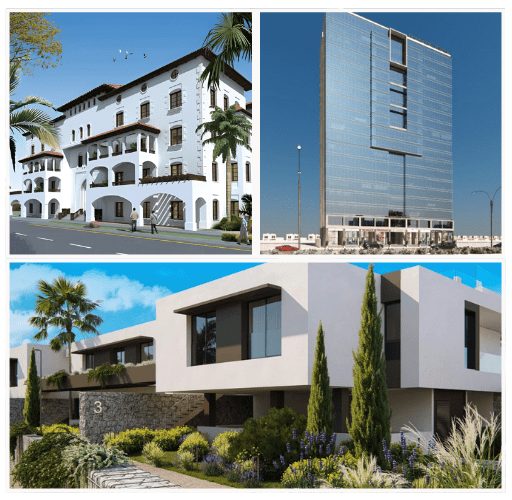
Architectural design is the multifaceted process of creating buildings and structures that are both aesthetically pleasing and functionally efficient. It involves conceptualizing ideas, developing detailed plans, and ensuring the construction process aligns with the original vision. This process begins with brainstorming and feasibility studies to generate and refine ideas, followed by the creation of preliminary sketches and detailed drawings. These plans are then developed into comprehensive blueprints that incorporate structural, mechanical, and electrical systems. Key principles guiding architectural design include functionality, ensuring the space meets practical needs; aesthetic appeal, crafting visually engaging structures; sustainability, using eco-friendly materials and energy-efficient systems; structural integrity, ensuring safety and durability; and contextual design, harmonizing with the surrounding environment. Utilizing tools like computer-aided design (CAD), building information modeling (BIM), and 3D visualization, architects can create precise and realistic representations of their designs. Ultimately, architectural design aims to produce buildings that are beautiful, functional, sustainable, and in harmony with their surroundings.
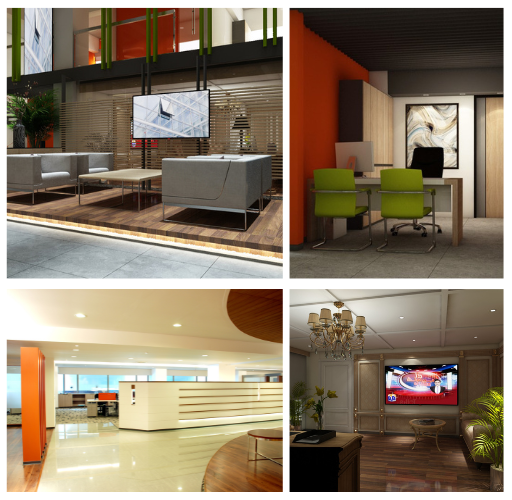
Interior design is the art and science of enhancing indoor spaces to create aesthetically pleasing, functional, and harmonious environments for occupants. It begins with space planning to optimize layouts and flow, ensuring comfort and usability. Designers select furniture and fixtures that match the desired style, whether modern, traditional, or eclectic, and choose color schemes to enhance the space’s mood and purpose. Lighting, both natural and artificial, is used thoughtfully to create the right ambiance and highlight key features. Cohesion is key, with all elements—finishes, textiles, and decor—integrated to reflect the client’s personality and preferences while ensuring ergonomics. Designers create distinct zones for various activities, maintaining a unified overall design. Sustainability is also important, with eco-friendly materials and practices promoting healthy living environments. Accessories like artwork, mirrors, and rugs add functional beauty and personality, transforming spaces into visually appealing, practical, and comfortable havens tailored to the occupants’ needs and desires.
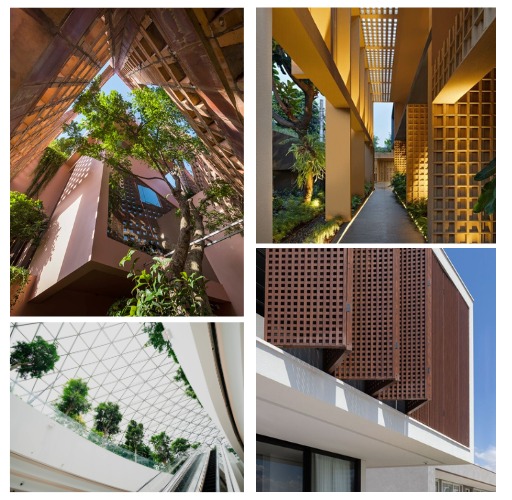
An approach to creating environments, products, and systems that reduce negative impacts on the environment while promoting efficiency and longevity. It emphasizes the use of renewable resources, energy-efficient processes, and materials with minimal environmental footprints. By considering the entire lifecycle of a product or structure, sustainable design aims to minimize waste, reduce carbon emissions, and lower energy consumption. Whether in architecture, product design, or urban planning, the goal is to balance human needs with environmental responsibility. In architecture and urban development, sustainable design integrates strategies such as passive solar design, green roofs, natural ventilation, and the use of recycled or locally sourced materials. It prioritizes energy-efficient buildings, water conservation, and biodiversity preservation, creating healthier and more livable spaces. Beyond environmental benefits, sustainable design also provides economic and social advantages by lowering operational costs and improving quality of life. As the world faces growing environmental challenges, sustainable design plays a critical role in building a resilient and eco-friendly future.